White, Yellow or Rose Gold?
Pure gold is naturally yellow.
White and rose gold are not different elements. They are gold alloys in which other metals are added to pure gold.
These metals influence the colour, hardness and other properties of the final material.
This is why gold jewellery can be created in different colours, even though all versions still contain a specific percentage of pure gold.
What Do 585 and 750 Gold Mean?
The purity mark tells us how much pure gold is present in the alloy.
585 gold contains 58.5% pure gold.
This corresponds to approximately 14 karats.
750 gold contains 75% pure gold.
This corresponds to 18 karats.
The remaining percentage consists of other metals, which influence the properties and colour of the alloy.
For this reason, two gold alloys can have the same purity while still having different colours.
Yellow Gold
Yellow gold is the most traditional form of gold jewellery.
Its colour most closely resembles the natural colour of pure gold.
Other metals are added to create a practical jewellery alloy while maintaining the characteristic warm yellow colour.
Yellow gold is popular for:
- wedding rings,
- chains,
- bracelets,
- classic rings,
- jewellery with coloured gemstones.
One advantage of yellow gold is that the colour is not simply a surface coating.
If the surface becomes scratched, the material beneath remains yellow.
White Gold
White gold is created by adding metals that reduce the strong yellow colour of pure gold.
White gold itself is usually not completely bright white.
It often has a slightly greyish or warm tone.
For this reason, white gold jewellery is often rhodium plated. Rhodium creates a bright white and highly reflective surface.
White gold is particularly popular for engagement rings and diamond jewellery because the colour of the metal works beautifully with colourless diamonds.
Does White Gold Turn Yellow Over Time?
People often say that white gold “turns yellow”.
A more accurate explanation is that the outer rhodium layer can gradually wear away with use, allowing the natural colour of the white-gold alloy underneath to become visible.
This does not mean that anything is wrong with the gold.
A jeweller can repolish the ring and, when necessary, apply a new rhodium coating.
How quickly the surface changes depends on how the jewellery is worn.
Rose Gold
Rose gold gets its characteristic colour mainly from a higher proportion of copper in the alloy.
More copper usually results in a stronger red or pink tone.
The colour can range from very subtle to quite pronounced depending on the exact composition of the alloy.
Rose gold is popular for:
- engagement rings,
- wedding rings,
- multi-coloured jewellery,
- jewellery with a warmer appearance.
It also combines beautifully with white gold and diamonds.
Is One Colour of Gold Better Quality Than Another?
No.
Colour itself does not determine the quality of gold.
White, yellow and rose gold can all have the same purity, such as 585 or 750.
What differs is mainly the combination of metals added to the pure gold.
Because of this, the alloys can also have slightly different physical properties, but for the customer, colour alone is not an indicator of quality when the jewellery is properly made.
Which Gold Is Best for an Engagement Ring?
The choice largely depends on personal taste.
White gold is particularly popular for classic diamond engagement rings because the pale colour of the metal complements the diamond.
Yellow gold creates greater contrast and gives the ring a more traditional appearance.
Rose gold offers a warmer and somewhat less conventional look.
Combining different gold colours is also possible.
For example, the ring itself can be made in yellow gold while the diamond setting is made from white gold.
Which Gold Colour Is Best for a Wedding Ring?
Again, there is no single correct answer.
What matters most is what you like and what type of jewellery you normally wear.
If you usually wear jewellery with a white-metal appearance, white gold may be the most natural choice.
If you prefer classic jewellery, yellow gold is a timeless option.
Rose gold is a good choice for someone looking for a warmer and slightly more distinctive appearance.
Can Different Gold Colours Be Combined?
Absolutely.
Combining two or three colours of gold offers a great deal of design freedom.
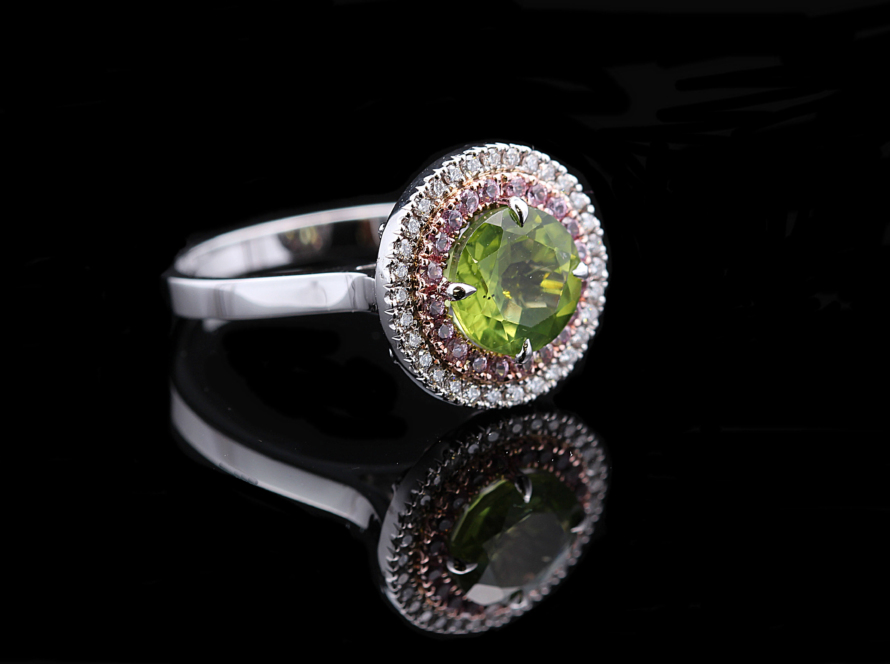
A single ring can combine yellow and white gold, or white and rose gold.
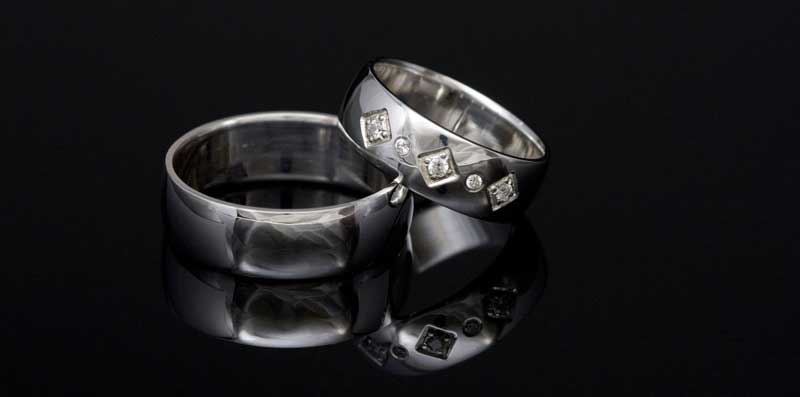
With wedding rings, each partner can even choose a different colour while connecting the two rings through the same profile or shared design detail.
Frequently Asked Questions
Is white gold real gold?
Yes. White gold contains real gold combined with other metals to create a lighter-coloured alloy.
Why is white gold rhodium plated?
Rhodium creates a very bright white and shiny surface.
Is rose gold less valuable?
If two pieces have the same weight and gold purity, the colour itself does not mean that one contains less gold.
Can white and yellow gold be combined?
Yes. Two-tone jewellery is very common and allows for many interesting design possibilities.
Which Gold Should You Choose?
The best gold colour is the one you like and the one that suits the way you intend to wear the jewellery.
At Zlatarski atelje Mengeš, you can see different gold colours and combinations in person and choose the material that best suits your piece of jewellery.